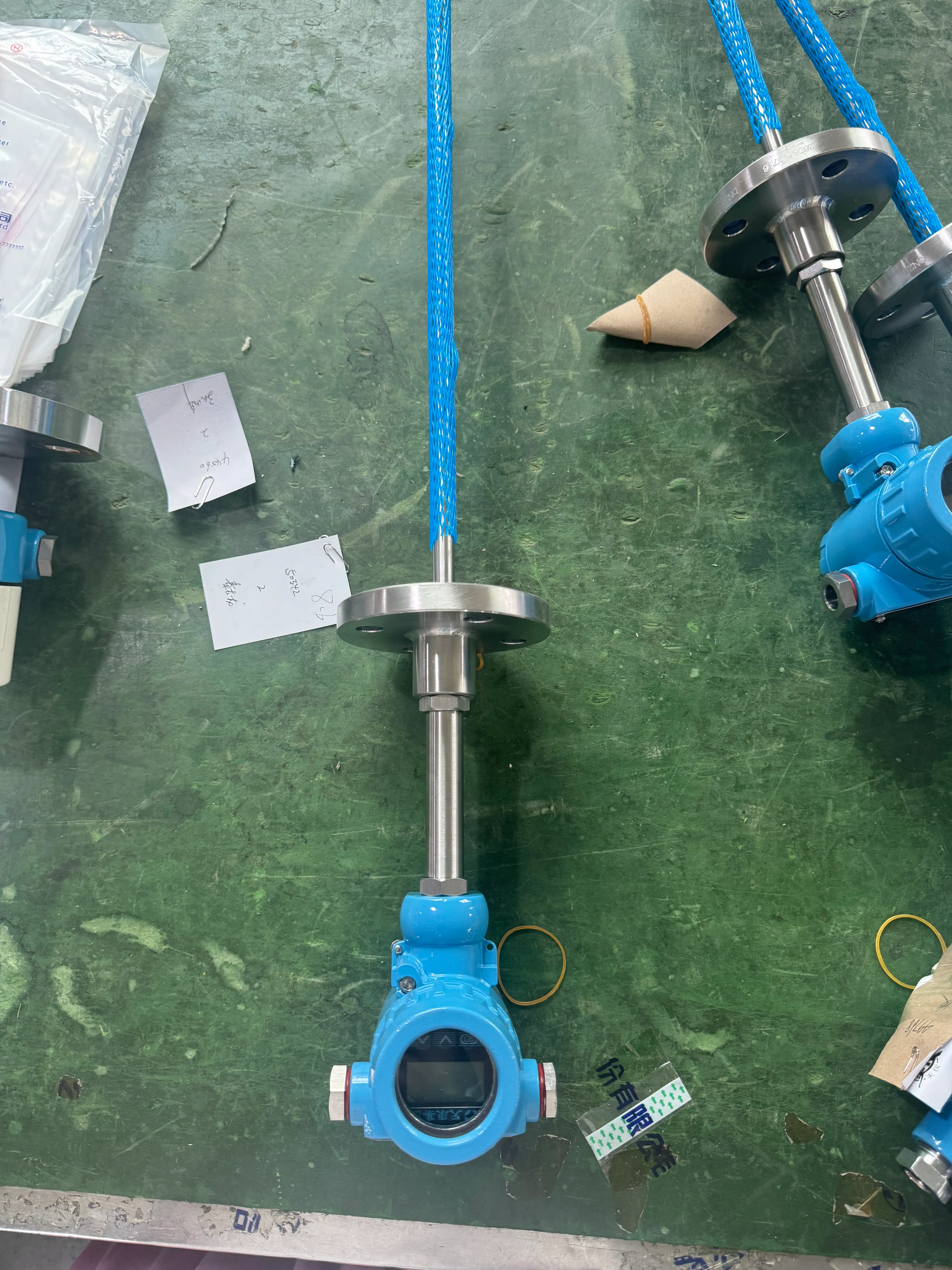
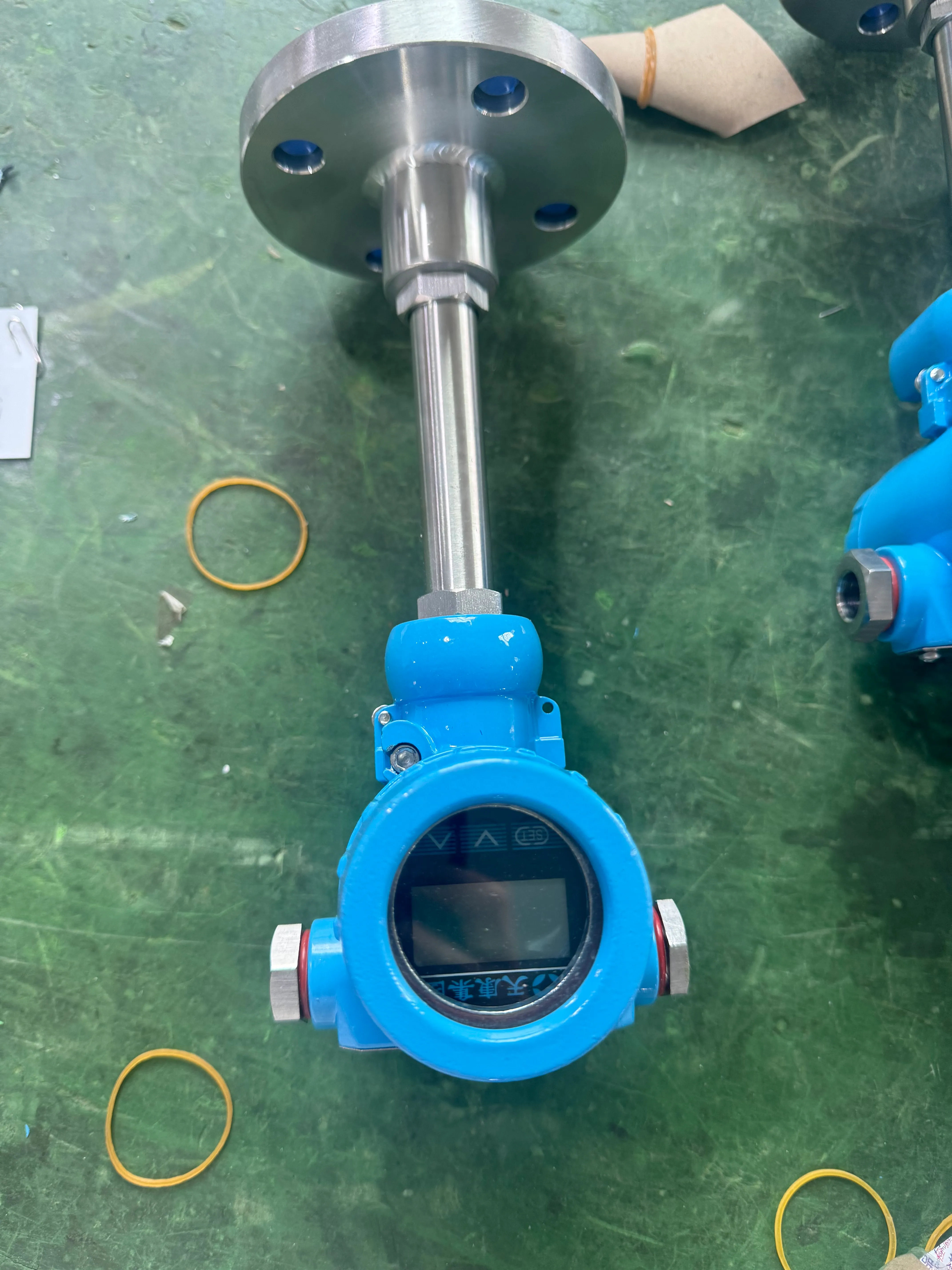
Explosion-proof thermal resistors are usually used with display instruments, recording instruments and electronic computers. They directly measure the temperatures of liquid, steam and gas media and solid surfaces in production processes. The temperature measurement range is -200 to 500°C. Designed according to the gap explosion-proof principle, parts that may generate sparks, arcs and hazardous temperatures are sealed in the junction-box cavity. When an explosion occurs in the cavity, the gap between joint surfaces extinguishes and cools the flame, preventing the flame and temperature from being transmitted outside the cavity.
- Temperature measurement of liquid, steam and gas media in production sites containing explosive mixtures.
- Solid surface temperature measurement.
- Temperature-measurement applications used with display instruments, recording instruments or electronic computers.
- Suitable for a wide range of explosion-proof environments.
- Spring-compression temperature-sensing element with good vibration resistance.
- Large measurement range.
- High mechanical strength and good pressure resistance.
- Junction-box protection levels available: IP65, IP66 and IP68.
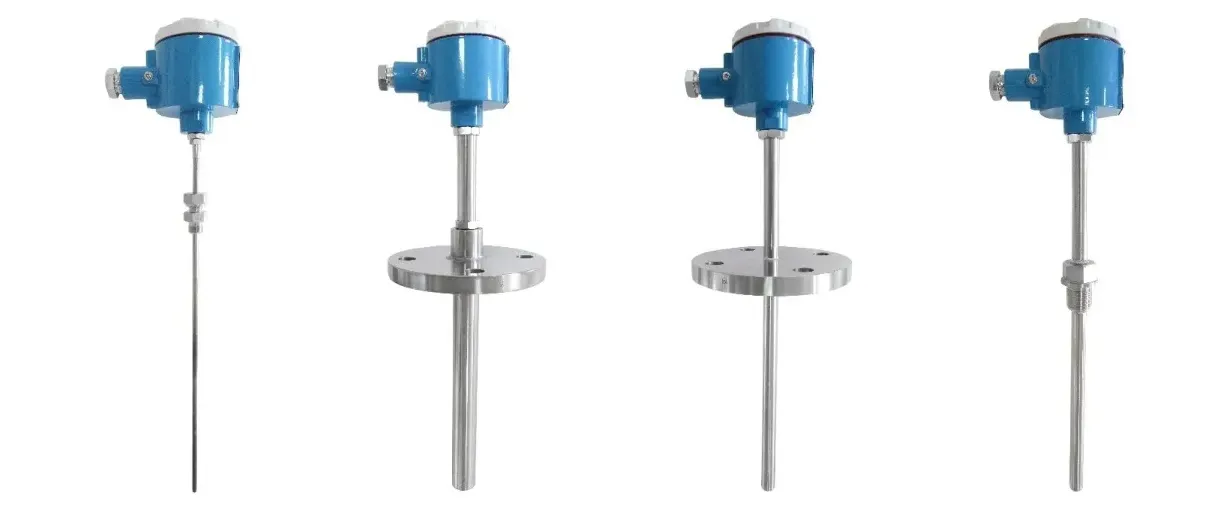
- Available with no fixed installation, fixed thread, adjustable flange, fixed flange, flexible tube joint type, fixed thread cone type, straight tube fitting type, fixed thread tube fitting type and adjustable thread tube fitting type.
- Vertical pipeline, inclined pipeline and flange installation are available.
- Single- or double-element thermal resistors are available.
| Item |
Parameter |
| Applicable standards |
IEC60751, GB/T30121, GB/T3836 |
| Ambient temperature |
15 to 35°C |
| Relative humidity |
Not more than 80% |
| Test voltage |
DC 10 to 100 V |
| Insulation resistance between electrode and outer sleeve |
≥100 MΩ |
| Model |
Graduation |
Temperature measurement range |
Accuracy level |
Tolerance value |
| WZP |
Pt100 |
-200 to 500°C |
Class A |
±(0.15+0.002|t|) |
| WZP |
Pt100 |
-200 to 500°C |
Class B |
±(0.30+0.005|t|) |
| WZC |
Cu50, Cu100 |
-50 to 100°C |
/ |
±(0.30+0.006|t|) |
| Item |
Content |
| Explosion-proof type |
db: Explosion-proof; ia: Intrinsically safe; tb: Dust type |
| Explosion-proof level |
Ex db II□ T□; Ex ia II□ T□; Ex tb III□ T□ |
| Temperature group |
T1 to T6 |
| Maximum surface temperature of Class II electrical equipment |
T1: ≤450°C; T2: ≤300°C; T3: ≤200°C; T4: ≤135°C; T5: ≤100°C; T6: ≤85°C |
| Explosion-proof marking |
Certificate authority |
| Ex db IIC T4…T6 Gb / Ex tb IIIC T80°C…T130°C Db |
NEPSI |
| Ex db IIB T4…T6 Gb, Ex tb IIIB T80°C…T130°C Db |
NEPSI |
| Ex ia IIC T4…T6 Ga, Ex ia IIIC T200135°C Da |
NEPSI |
| Item |
Options |
| Temperature-sensing element |
Pt100, Cu50/Cu100 |
| Thermal resistor form |
Armored, assembly |
| Coupling wire pairs |
Single branch, double branch |
| Fixed installation form |
No fixed installation, fixed thread, adjustable flange, fixed flange, flexible tube joint type, fixed thread cone type, straight tube fitting type, fixed thread tube fitting type, adjustable thread tube fitting type |
| Junction box |
Explosion-proof type |
| Protective tube diameter |
Φ16, Φ12, Φ2, Φ3, Φ4, Φ5, Φ6, Φ8, or blank |
| Sleeve form |
See attachment |
- WZP-240 / WZP-241
- WZP-440 / WZP-441
- WZP-74
- WZP-84
- WZP-74-TH03H
- WZP-74-TH02B
- Required temperature-sensing element, accuracy level and single- or double-element requirement.
- Measured medium, operating temperature range, operating pressure and site vibration conditions.
- Explosion-proof type, gas or dust group, temperature group and required certification for the hazardous area.
- Installation method, protective-tube diameter, sleeve form, overall length L and insertion depth I.
- Vertical, inclined or flange-mounting requirement, and connection dimensions.